Introduction: Welcome to the Greatest City in the World
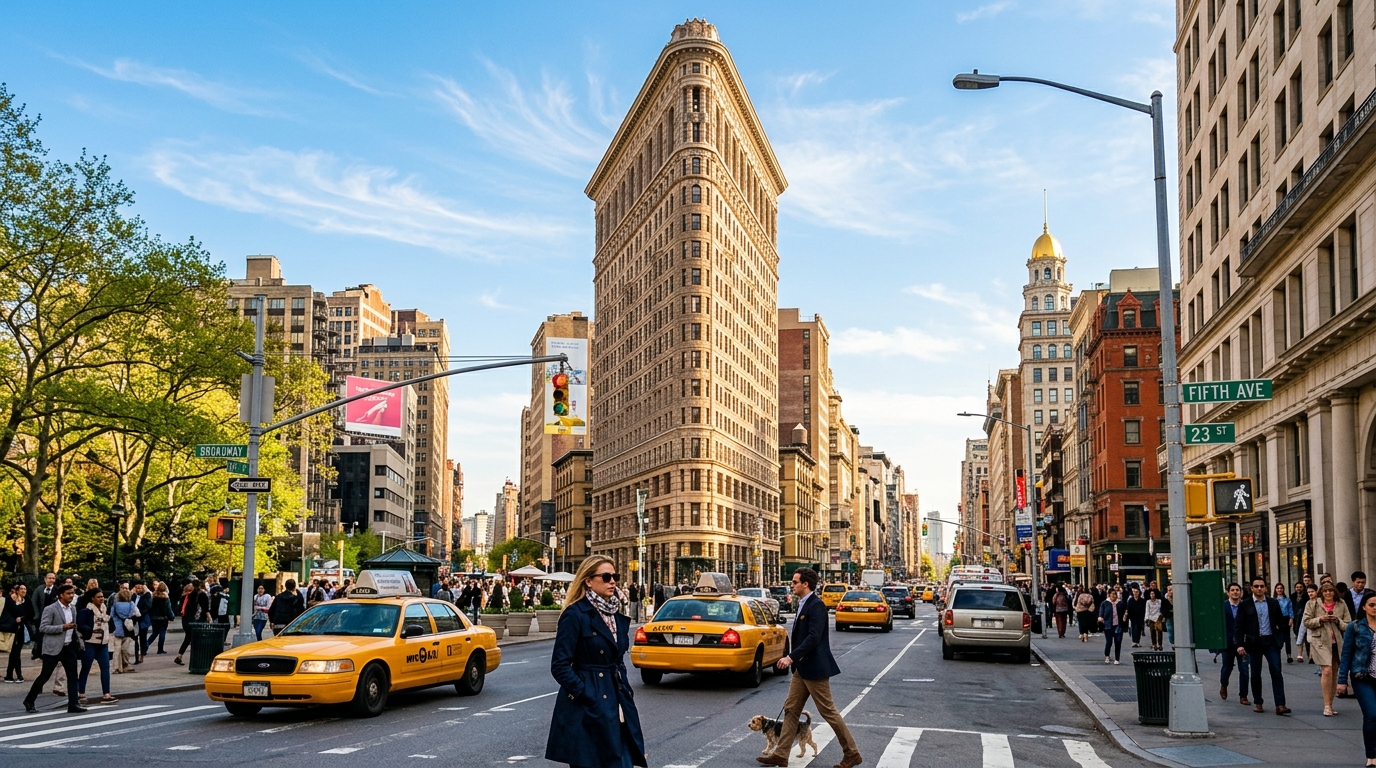
Stepping out onto the streets of Manhattan for the very first time is a sensory experience unlike any other on earth. The rhythmic rumble of subway grates beneath your feet, the towering architectural canyons of glass and limestone soaring thousands of feet into the sky, the aroma of roasted nuts and artisan coffee mingling in the morning breeze, and the steady parade of millions of stylish residents moving with purposeful determination—it is immediately obvious why New York City has captured the human imagination for more than four centuries.
Yet for first-time visitors, the sheer scale and frenetic pace of Manhattan can easily induce sensory overload. From knowing how the street grid system operates to avoiding notorious tourist traps, understanding how to pace your sightseeing across different neighborhoods is the difference between an exhausting trip and a magical vacation of a lifetime. Whether you are traveling as a couple, with young children, or as a group of friends, navigating the city with clarity and purpose will unlock doors that most tourists never find.
In this definitive first-timer’s guide to Manhattan, we share everything you need to know before you arrive. We unpack the island’s geography, break down the ten non-negotiable landmarks you must see, unveil secret hidden gems hidden in plain sight, decode the iconic New York food scene, and explain how incorporating a private luxury tour transforms your introduction to the Big Apple into an effortless, VIP journey.
Decoding Manhattan Geography: The Grid System, Avenues & Neighborhoods
To master Manhattan, you must first understand how the island is laid out. Fortunately, the Commissioners’ Plan of 1811 established one of the most brilliant urban planning feats in history: the Manhattan street grid.
1. Streets Run East-West; Avenues Run North-South
In Manhattan, numbered streets run horizontally from east to west, starting with 1st Street in Lower Manhattan and climbing past 220th Street in Upper Manhattan. Numbered avenues run vertically north and south, starting with 1st Avenue on the East Side and progressing across to 12th Avenue on the West Side. Broadway is the great rebel of Manhattan, cutting diagonally across the island from northwest to southeast, creating the historic triangular intersections of Times Square, Herald Square, and Union Square.
2. Fifth Avenue is the Great Divider
Fifth Avenue divides Manhattan into the “East Side” and “West Side.” Street numbers begin at Fifth Avenue and increase as you move farther east toward the East River or farther west toward the Hudson River. For example, 10 East 42nd Street is just steps east of Fifth Avenue, while 450 West 42nd Street is far to the west near the Hudson River.
3. The Three Great Geographic Zones: Uptown, Midtown & Downtown
- Uptown (North of 59th Street): Centered around Central Park. The Upper East Side is synonymous with Gilded Age mansions, Museum Mile, and quiet luxury. The Upper West Side features cultural powerhouses like Lincoln Center, historic brownstones, and leafy, family-friendly avenues. Farther north lies historic Harlem, the cultural capital of African American art, literature, and music.
- Midtown (14th to 59th Streets): The commercial powerhouse of soaring skyscrapers. Home to Times Square, the Theater District, Rockefeller Center, Grand Central Terminal, the Empire State Building, and the luxury flagship stores of Fifth Avenue.
- Downtown / Lower Manhattan (South of 14th Street): Where New York began. Here, the grid system dissolves into organic, winding 17th-century European streets. Encompasses historic bohemian neighborhoods like Greenwich Village, the West Village, SoHo, TriBeCa, Chinatown, Little Italy, and the Financial District at Wall Street.
The 10 Non-Negotiable Landmarks Every First-Timer Must See
1. Central Park
No trip to New York is complete without spending time in this 843-acre masterpiece. Designed by Frederick Law Olmsted and Calvert Vaux, Central Park is completely man-made, featuring romantic bridges, tranquil lakes, and rolling meadows. Must-see locations include Bethesda Terrace and Fountain, Bow Bridge, Strawberry Fields, the Mall, and the Central Park Zoo.
2. The Empire State Building
Completed in 1931 in just 410 days, this 102-story Art Deco masterpiece remains the quintessential symbol of American ambition. While observation deck tickets offer sweeping vistas, viewing the building’s limestone tower from ground level on Fifth Avenue or from the street in the Flatiron District is equally mesmerizing.
3. Times Square & The Theater District
Known as “The Crossroads of the World,” Times Square is a blinding, kinetic spectacle of multi-story digital billboards and Broadway marquees. Best experienced in the evening when the neon signs glow with maximum intensity.
4. Rockefeller Center & Top of the Rock
A 19-building complex built by John D. Rockefeller Jr. during the Great Depression. Admire the golden statue of Prometheus, view St. Patrick’s Cathedral across Fifth Avenue, and take in the view from Top of the Rock, widely considered the best observation deck because it includes the Empire State Building in its panoramic vista.
5. The High Line & Hudson Yards
A 1.45-mile elevated park built on a historic freight rail line thirty feet above the streets of Chelsea. Lined with lush perennial gardens, public art installations, and Hudson River views, it terminates at Hudson Yards near the futuristic bronze structure known as The Vessel.
6. Grand Central Terminal
More than a train station, Grand Central is a Beaux-Arts cathedral of transportation. Stand beneath the celestial sky ceiling painted with golden constellations, view the iconic brass clock atop the information booth, and test the acoustics of the secret Whispering Gallery.
7. The 9/11 Memorial & One World Trade Center
A deeply moving sanctuary in Lower Manhattan. Two monumental reflecting pools sit in the footprints of the original Twin Towers, with water cascading into subterranean voids. Rising 1,776 feet behind the memorial is One World Trade Center, the tallest building in the Western Hemisphere.
8. Wall Street & The Financial District
Walk the historic streets where American finance was born. Touch the horns of the famous bronze Charging Bull at Bowling Green, visit the New York Stock Exchange, and stand outside Federal Hall where George Washington took the oath of office in 1789.
9. Brooklyn Bridge & DUMBO
Walk across or drive across the historic 1883 suspension bridge linking Manhattan to Brooklyn. In the waterfront neighborhood of DUMBO, take in panoramic skyline views across the East River from Brooklyn Bridge Park.
10. Statue of Liberty & Battery Park
Lady Liberty has welcomed millions of immigrants to freedom since 1886. Admire her from Battery Park at the southern tip of Manhattan, take the scenic Staten Island Ferry for free views from the water, or book a private charter yacht cruise.
Hidden Gems Most Tourists Walk Right Past
While the major landmarks are essential, Manhattan’s true magic often hides in its quiet courtyards and overlooked architectural details:
- Pomander Walk (Upper West Side): Hidden between 94th and 95th Streets near Broadway, this secret gated mews features twenty-seven charming English Tudor-style cottages built in 1921. It looks like a quaint village tucked away in the heart of modern Manhattan.
- The Church of St. Luke in the Fields Garden (West Village): Behind high brick walls on Hudson Street lies one of the most peaceful private gardens in New York, complete with brick paths, English roses, and historic shaded benches.
- The Elevated Acre at 55 Water Street (Financial District): Hidden up an outdoor escalator in the middle of Wall Street’s office towers lies an acre of lush grass, wooden boardwalks, and sweeping views of the East River and Brooklyn Bridge.
- The Roosevelt Island Tramway: For the price of a standard subway ride, this aerial cable car glides beside the Queensboro Bridge 250 feet above the East River, offering breathtaking aerial views of the Manhattan grid.
The Ultimate 3-Day Manhattan Itinerary for First-Time Visitors
| Day | Morning (9:00 AM – 1:00 PM) | Afternoon (1:00 PM – 5:30 PM) | Evening (5:30 PM – 10:00 PM) |
|---|---|---|---|
| Day 1: Uptown & Midtown | Central Park walk, Bethesda Fountain, Upper East Side breakfast | Fifth Ave shopping, St. Patrick’s, Rockefeller Center, Grand Central | Top of the Rock observation deck, Times Square, Broadway Show |
| Day 2: Downtown & SoHo | High Line walk, Chelsea Market, Meatpacking District | Greenwich Village brownstones, Washington Sq Park, SoHo shopping | Dinner in Little Italy / SoHo, historic West Village jazz club |
| Day 3: Lower Manhattan & Brooklyn | Battery Park, Statue of Liberty view, Wall Street, Charging Bull | 9/11 Memorial reflecting pools, One World Trade, Oculus | Brooklyn Bridge crossing, golden hour in DUMBO, waterfront dinner |
NYC Food & Dining Decoded: From Dollar Slices to Michelin Stars
New York is the culinary capital of North America. To eat like a true local, balance casual street staples with elevated dining:
- The Iconic NYC Bagel: New York water creates a uniquely chewy crust and tender crumb. Order an “everything bagel with scallion cream cheese and Nova lox” at Russ & Daughters, Ess-a-Bagel, or Zucker’s.
- The Classic Slice of Pizza: Fold it lengthwise down the center and eat it while walking. For legendary coal-oven historic pies, visit John’s of Bleecker Street or Lombardi’s in Little Italy.
- Pastrami on Rye: Visit Katz’s Delicatessen on the Lower East Side (open since 1888) for a towering sandwich of hand-carved, slow-cured beef pastrami with spicy brown mustard and pickles.
- The Black & White Cookie: A cake-like cookie with half chocolate fudge and half vanilla royal icing, available at classic bakeries like William Greenberg.
The Best Seasons for a First-Time Visit to Manhattan
While New York is a year-round destination, certain seasons offer optimal weather for first-time sightseeing. Late spring (May and June) brings blooming flowers across Central Park, comfortable 70-degree temperatures, and vibrant outdoor dining along every avenue. Early autumn (September and October) offers crisp, golden days with clear skies, mild humidity, and stunning fall foliage throughout the city’s parks. If you visit during winter (December), prepare for cold winds by dressing in warm thermal layers, but you will be rewarded with the world’s most magical holiday displays.
Navigating New York’s Historic Lower Manhattan Neighborhoods
While Midtown Manhattan showcases vertical grandeur, the historic neighborhoods of Lower Manhattan offer a completely different, intimate atmosphere defined by leafy streets, 19th-century brick townhouses, and cobblestone alleys. Exploring these distinct enclaves provides a genuine connection to New York’s cultural soul:
- Greenwich Village & Washington Square Park: Greenwich Village is the bohemian heart of New York. Known for its picturesque streets that break away from the rigid Manhattan grid, the Village is home to historic jazz clubs like the Village Vanguard and the iconic Washington Square Arch. Don’t miss MacDougal Street for historic Italian espresso cafes and intimate comedy cellars.
- SoHo & The Cast-Iron Historic District: SoHo (South of Houston) contains the greatest collection of full cast-iron architecture in the world. Originally 19th-century textile and manufacturing warehouses, these majestic buildings now house international luxury fashion houses, independent designer boutiques, and modern art galleries. Stroll down Greene Street and Mercer Street to admire the ornate metal facades.
- The Lower East Side & Immigrant Heritage: The Lower East Side was the initial gateway for millions of European immigrants arriving through Ellis Island. Today, tenement buildings sit side-by-side with trendy rooftop lounges and Michelin-starred eateries. A stop at Katz’s Delicatessen on Houston Street for a towering hot pastrami sandwich is an essential New York culinary rite of passage.
Avoiding Tourist Traps: How to Dine Like a Local in Manhattan
First-time visitors often make the mistake of dining in the immediate vicinity of Times Square, where chain restaurants charge inflated prices for mediocre meals. A seasoned traveler knows that exceptional dining in Manhattan requires walking just two avenues away from major tourist hubs. Venture into Hell’s Kitchen along Ninth and Tenth Avenues for authentic Thai, Greek, and Italian trattorias, or head downtown to Chinatown for handmade soup dumplings and dim sum.
10 Critical Mistakes First-Time NYC Visitors Must Avoid
- Stopping Dead in the Middle of the Sidewalk: New Yorkers walk fast and treat sidewalks like highways. If you need to check Google Maps or take a photo, step over to the side near a building wall.
- Taking Pedicabs Without Agreeing on the Rate: Pedicabs in Central Park and Times Square charge per minute, often resulting in surprise bills of or more for a 15-minute ride. Always clarify pricing beforehand.
- Falling for Times Square Scammers: People dressed as costumed characters or handing out “free” music CDs will aggressively demand cash tips. Politely smile, say “no thank you,” and keep walking.
- Relying Exclusively on Walking: Walking 10 miles a day causes severe foot fatigue by Day 2. Incorporate a private chauffeur service to preserve your energy for sightseeing.
- Eating at Chain Restaurants in Times Square: New York has over 25,000 independent restaurants. Step two avenues west to Ninth Avenue in Hell’s Kitchen for world-class Thai, Italian, and Mexican dining at half the price.
Frequently Asked Questions for First-Time NYC Travelers
What is the best way to get around Manhattan?
A combination of private chauffeur service for major sightseeing transitions and short walking explorations is ideal. Private chauffeur transport eliminates subway heat, stairs, and navigation stress, while dropping you off directly in front of major attractions.
How many days are recommended for a first visit to New York?
Four to five days is the sweet spot for a first trip. It allows you to cover Uptown, Midtown, Downtown, and Brooklyn without feeling completely overwhelmed.
What is the tipping etiquette in New York City?
In sit-down restaurants, 18% to 22% of the pre-tax bill is standard. For hotel bellhops, to per bag is customary. For private tour guides and chauffeurs, 15% to 20% of the booking total reflects exceptional service.
Conclusion: Experience Manhattan with Confidence
New York City will amaze, challenge, and inspire you. With thoughtful planning, an open mind, and a sense of adventure, your first journey through Manhattan will be the benchmark against which all future travels are measured.
Want to experience the best of New York City without the stress of navigating on your own? Explore our private tour packages at Tour to NYC Tours or contact our travel experts through our Contact Page to begin planning your VIP Manhattan itinerary today.