Introduction: Brooklyn’s Most Picturesque Waterfront Enclaves
Just across the historic span of the East River from Lower Manhattan lies a tale of two breathtaking, contrasting Brooklyn neighborhoods joined at the waterfront: Brooklyn Heights, America’s first designated historic suburb, filled with tree-shaded gas-lit streets of 19th-century brownstones and grand Greek Revival townhouses; and DUMBO (an acronym for Down Under the Manhattan Bridge Overpass), a former industrial maritime manufacturing district transformed into one of the most vibrant, architecturally stunning, and desirable luxury enclaves in New York City.
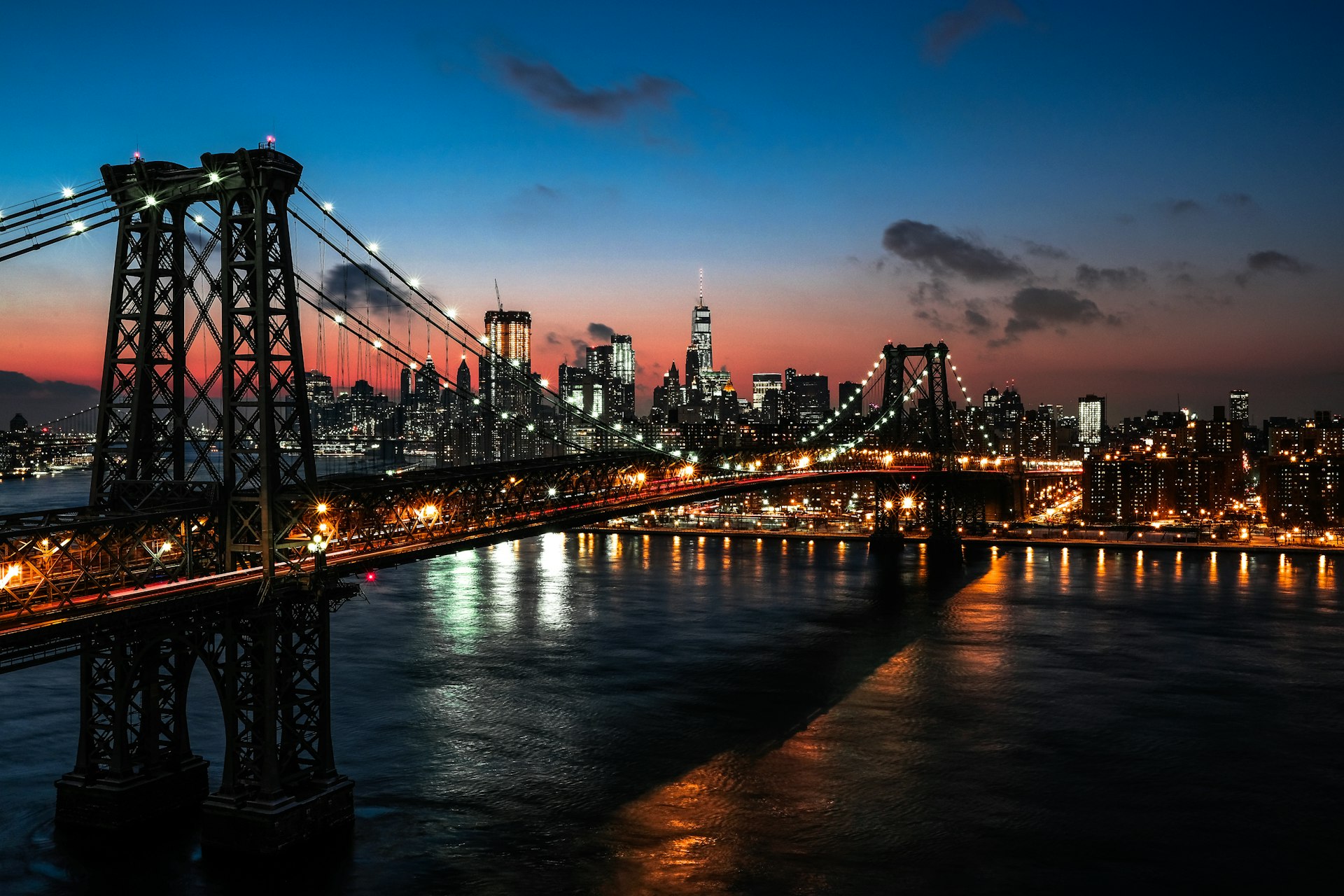
Together, Brooklyn Heights and DUMBO offer the most spectacular panoramic viewpoints of the Manhattan skyline found anywhere on earth. From the cantilevered heights of the Brooklyn Heights Promenade—where Truman Capote penned his literary masterpieces and Arthur Miller found inspiration—to the restored cobblestones and Belgian block streets of DUMBO, where industrial Belgian-block rail tracks weave through converted warehouse lofts, this corner of Brooklyn is a photographer’s paradise. Yet exploring both neighborhoods on foot requires traversing steep elevation inclines from the waterfront up to the bluff, and weekend vehicular traffic across the Brooklyn and Manhattan Bridges can be overwhelming. Coordinating your Brooklyn excursion with a dedicated private luxury chauffeur from Tour to NYC Tours eliminates all transit stress: offering effortless drop-offs at the best photography vantage points, holding your bags and purchases, and providing a plush, climate-controlled mobile sanctuary between stops.
In this curated neighborhood guide, we explore the rich historical heritage of Brooklyn Heights, navigate the cobblestone chic of DUMBO, highlight Brooklyn Bridge Park’s waterfront attractions, share secret photography perspectives, and explain how a private chauffeured tour delivers the definitive Brooklyn adventure.
Brooklyn Heights: America’s First Historic Suburb
1. Robert Fulton & The 1814 Steamboat Commute
Prior to the early 19th century, Brooklyn Heights—known as Clover Hill—consisted of sprawling rural estates and apple orchards overlooking New York Bay. In May 1814, inventor Robert Fulton inaugurated regular, scheduled steam ferry service connecting Fulton Street in Brooklyn to Lower Manhattan aboard his steamboat Nassau. Suddenly, Manhattan bankers, maritime merchants, and lawyers could commute across the river in just twelve minutes, making Brooklyn Heights the very first commuter suburb in American history. Wealthy merchants rushed to purchase land along the high bluff, erecting magnificent residential estates commanding unobstructed views of Manhattan’s growing harbor.
2. Architectural Grandeur: Brownstones, Greek Revival & Mews
In 1965, following the passage of the NYC Landmarks Preservation Act, Brooklyn Heights was celebrated as the city’s very first designated Historic District. Today, more than 600 pristine pre-Civil War residential townhouses survive across its tranquil residential blocks:
- Cranberry, Orange, and Pineapple Streets (‘The Fruit Streets’): Named in the early 19th century by Miss Middagh, an aristocratic local resident who despised the pretension of naming streets after wealthy merchant families and instead painted whimsical fruit names onto wooden corner posts in the middle of the night. These quiet streets feature Greek Revival brick row houses with fluted Doric stoop columns and leaded glass fanlights.
- Hicks Street and Pierrepont Street: Grand Italianate brownstone mansions with soaring twenty-foot ceilings, intricately carved stone balustrades, and lush rear private gardens.
- Grace Court Alley and Hunts Lane: Picturesque 19th-century cobblestone carriage mews where stable hands once tended horses and carriages for the wealthy families of Pierrepont Place. Today, these former two-story brick stables are converted into some of the most romantic, coveted private townhouses in New York.
3. The Brooklyn Heights Promenade
Suspended high above the Brooklyn-Queens Expressway (BQE) on a brilliant multi-level cantilevered highway viaduct conceived by master builder Robert Moses in the late 1940s, the Brooklyn Heights Promenade is a 1,826-foot pedestrian esplanade. Lined with leafy sweetgum and flowerbeds, wooden park benches, and historic gas lamps, the promenade commands an uninterrupted, 180-degree panoramic vista spanning the Statue of Liberty, Governors Island, the Financial District skyscraper skyline, and the stone Gothic arches of the Brooklyn Bridge. It is universally celebrated as the most romantic stroll in New York City.
DUMBO: From Industrial Powerhouse to Luxury Creative Haven
1. The Industrial Legacy: Arbuckle Brothers & Cardboard Boxes
In the late 19th and early 20th centuries, the waterfront beneath the Manhattan and Brooklyn Bridges hummed with heavy industrial manufacturing. It was here that John Arbuckle established the colossal Arbuckle Brothers coffee roasting and packaging empire (producing Yuban coffee and refining sugar), patenting the first automated machinery to roast and pack coffee in sealed paper bags. Here also, industrialist Robert Gair invented the corrugated cardboard box in 1879 after a printing press accident creased and cut paperboard simultaneously. DUMBO’s monumental red brick and reinforced concrete daylight factories—such as the Gair Building on Water Street—featured massive timber beams, iron freight doors, and multi-pane casement windows designed to let in natural harbor light.
2. The Artists’ Renaissance & The Naming of DUMBO
As manufacturing shifted overseas during the 1970s, DUMBO’s industrial warehouses stood largely abandoned. Visionary bohemian artists, sculptors, and musicians discovered the neighborhood’s cavernous spaces, moving in illegally to take advantage of low rents and ten-foot daylight windows. In 1978, fearing that commercial real estate developers would discover their artistic sanctuary, residents intentionally coined the absurd, unappealing acronym D.U.M.B.O. (Down Under the Manhattan Bridge Overpass), believing no wealthy Manhattanite would ever want to reside in a neighborhood named ‘Dumbo’. Despite their efforts, developer David Walentas and Two Trees Management recognized the district’s extraordinary architectural character, acquiring millions of square feet of warehouse space and masterfully converting them into multi-million-dollar luxury residential lofts, art galleries, and tech incubators.
Iconic Sights & Photography in DUMBO
1. The Washington Street Photo Opportunity
Standing on the cobblestones of Washington Street between Front and Water Streets offers what is arguably the single most photographed architectural perspective in the Western Hemisphere. Looking north, the rugged red brick industrial warehouses on either side frame the monumental steel tower and anchor cable of the Manhattan Bridge with mathematical perfection. At the center of the bridge’s lower archway, 2.5 miles in the distance across the East River, sits the spire of the Empire State Building perfectly aligned. To capture this shot with minimal crowds, visit in the early morning at sunrise when golden morning light warms the brickwork.
2. Jane’s Carousel
Set directly on the river’s edge between the bridges stands Jane’s Carousel—a magnificent, authenticated 1922 classic wood carousel carved by the Philadelphia Toboggan Company (PTC. No. 61). Featuring 48 intricately hand-carved horses and two gilded chariots, the carousel was meticulously restored over twenty-seven years by artist Jane Walentas. Today, it is housed inside an extraordinary jewel-box pavilion of transparent acrylic glass designed by Pritzker Prize-winning French architect Jean Nouvel. Riding the illuminated carousel at dusk as the glass reflects the glowing Manhattan skyline is an enchanting experience for adults and children alike.
3. Time Out Market New York (Empire Stores)
Housed inside Empire Stores—a restored 1869 waterfront coffee and cargo warehouse built from rugged schist stone blocks and iron fire doors—Time Out Market brings 21 curated culinary concepts under a single historic roof. Savor artisan pastrami, wood-fired Neapolitan pizza, Maine lobster rolls, and craft cocktails before ascending to the fifth-floor open rooftop terrace, which provides sweeping, elevated panoramas across the Brooklyn Bridge and the East River.
| Attraction Name | Neighborhood | Key Highlights | Best Time to Visit |
|---|---|---|---|
| Brooklyn Heights Promenade | Brooklyn Heights | 180-degree skyline views, quiet park benches | Sunset into blue hour |
| Washington Street Vista | DUMBO | Manhattan Bridge framing Empire State Building | Early morning (7:00 AM – 9:00 AM) |
| Jane’s Carousel | DUMBO Waterfront | 1922 restored carousel inside Jean Nouvel glass box | Afternoon & twilight |
| Brooklyn Bridge Park (Pier 1) | Waterfront | Granite prospect, harbor breezes, salt marsh trails | Late afternoon / Golden hour |
| Empire Stores & Time Out Market | DUMBO | 1869 warehouse, gourmet food hall, rooftop bar | Lunch or pre-dinner drinks |
Brooklyn Bridge Park: An 85-Acre Post-Industrial Masterpiece
Stretching 1.3 miles along the East River shoreline from Atlantic Avenue north to Jay Street, Brooklyn Bridge Park is one of the most celebrated waterfront revitalization projects in contemporary urban design. Designed by landscape architecture firm Michael Van Valkenburgh Associates, this 85-acre park transformed dilapidated shipping cargo piers into thriving public eco-sanctuaries:
- Pier 1 & Granite Prospect: Built using 10,000 tons of salvaged granite stone blocks salvaged from the reconstruction of the Roosevelt Island bridge, the Granite Prospect features monumental outdoor seating steps sloping down to the water, offering a front-row seat to Lower Manhattan’s glittering twilight skyline.
- Pier 2 & Active Recreation: Five acres of covered basketball courts, bocce, shuffleboard, and roller skating beneath the massive steel umbrella roofs of former maritime cargo sheds.
- Pier 6 & Botanical Meadows: Features rolling wildflower meadows, maritime salt marshes that filter harbor water naturally, and the Water Lab—a beloved splash playground for families during summer months.
Legendary Brooklyn Pizza: Grimaldi’s vs. Juliana’s
Directly beneath the Brooklyn anchorage of the Brooklyn Bridge on Old Fulton Street lies the hallowed epicenter of New York pizza rivalry. The story centers on master pizzaiolo Pasquale ‘Patsy’ Grimaldi, who learned the craft of coal-fired brick oven pizza from his uncle, Patsy Lancieri, in East Harlem in the 1940s:
- Grimaldi’s Pizzeria (1 Front Street): Operating inside a former First National City Bank building, Grimaldi’s utilizes a custom anthracite coal-fired brick oven heating to over 900 degrees Fahrenheit, producing crisp, blistered pies topped with fresh mozzarella, sweet crushed tomatoes, and basil. Note: Grimaldi’s is cash-only and lines frequently wrap down the block.
- Juliana’s (19 Old Fulton Street): After selling the Grimaldi’s brand name and retiring in the late 1990s, Patsy Grimaldi came out of retirement at age 81 to open Juliana’s (named in honor of his mother) in Grimaldi’s original historic location. Many pizza connoisseurs consider Juliana’s thin-crust margherita and white clam pies to be the superior pizza experience, boasting shorter wait times and modern card payment convenience.
The VIP Advantage: Touring Brooklyn with a Private Chauffeur
While walking the pedestrian wooden promenade of the Brooklyn Bridge is an iconic New York bucket-list activity, the 1.1-mile pedestrian trek in direct sun, wind, or rain with crowds can be physically demanding. Exploring both the elevated heights of Brooklyn Heights and the waterfront cobblestones of DUMBO involves navigating steep staircases, hilly streets, and severe parking restrictions. A private chauffeured luxury vehicle from Tour to NYC Tours elevates your Brooklyn journey into pure relaxation:
- Effortless Bridge Crossings: Relax in climate-controlled luxury as your chauffeur glides across the Manhattan Bridge or Brooklyn Bridge, enjoying soaring architectural skyline views without dodging bicycles or pedestrians.
- Elevation Bypasses: Your chauffeur drops you at the scenic top of the Brooklyn Heights Promenade, meets you at the bottom on Furman Street after you stroll the gardens, and whisks you into DUMBO for cobblestone photography and gourmet dining.
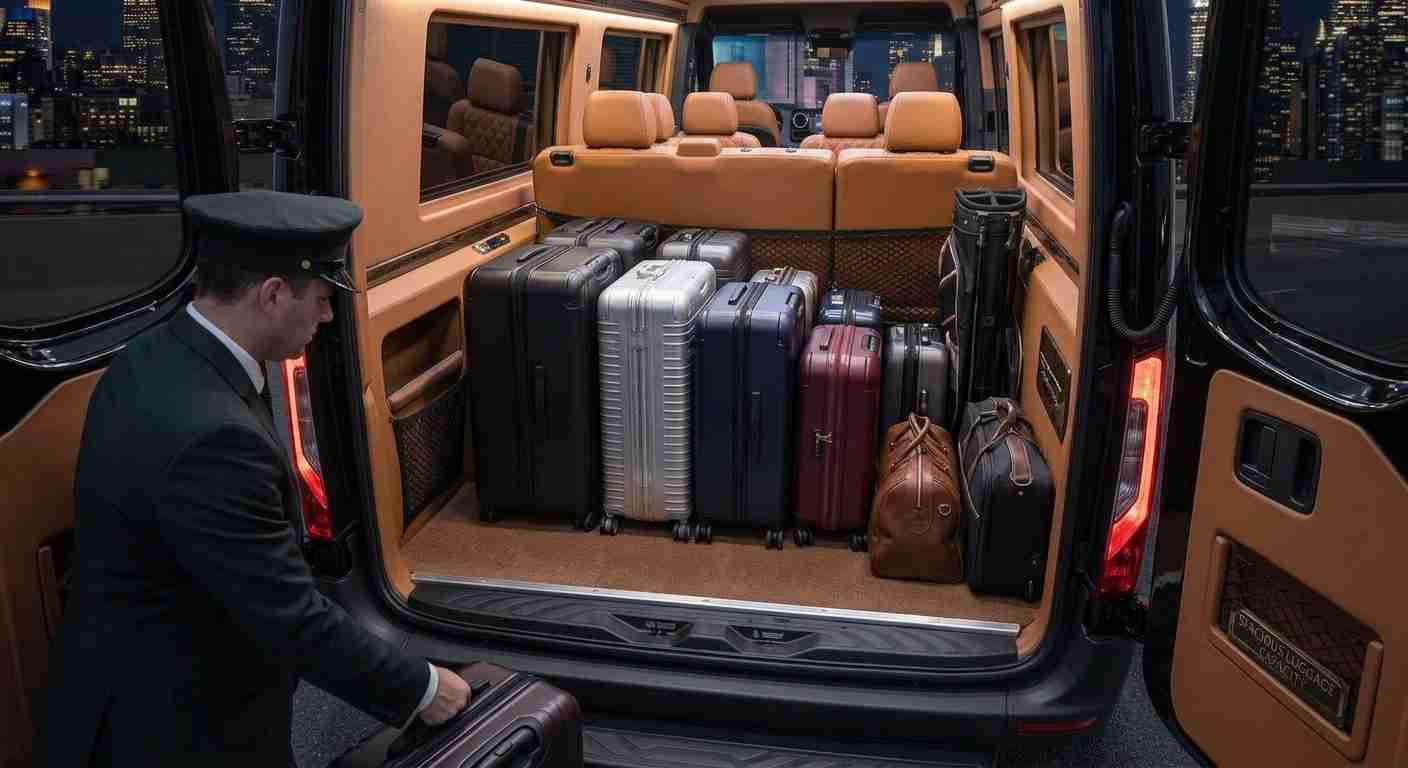
- Secure Storage for Boutique Shopping: DUMBO is packed with independent bookstores (like powerHouse Books), high-end design boutiques, and artisanal chocolate factories (Jacques Torres). Leave your packages safely locked in the vehicle while you dine.
The Literary Sanctuary of Brooklyn Heights: From Walt Whitman to Truman Capote
Beyond its visual romance, Brooklyn Heights holds an illustrious place in American literary history. For nearly two centuries, the neighborhood’s quiet, tree-lined residential streets have provided a creative sanctuary for novelists, playwrights, and poets fleeing the relentless clamor of Manhattan:
- Walt Whitman & The Brooklyn Daily Eagle: In the 1840s, legendary American poet Walt Whitman served as the crusading editor of the Brooklyn Daily Eagle newspaper, taking long daily walks along the Fulton Ferry landing and the Heights bluff. It was this maritime river perspective that inspired his immortal 1856 poem ‘Crossing Brooklyn Ferry’, reflecting on the timeless spiritual connection between generations of ferry passengers across the East River.
- Truman Capote (70 Willow Street): For a decade in the 1950s and 1960s, Truman Capote resided in the basement garden apartment of Broadway designer Oliver Smith’s canary-yellow Greek Revival townhouse at 70 Willow Street. It was here, in a cozy room overlooking shaded ivy gardens, that Capote penned his beloved novella Breakfast at Tiffany’s and did extensive research for his groundbreaking true-crime masterpiece In Cold Blood, famously strolling the quiet streets of the Heights with his pet bulldog.
- Arthur Miller (31 Grace Court & 102 Pierrepont): Renowned playwright Arthur Miller lived at 31 Grace Court overlooking the harbor while writing his timeless drama The Crucible and his dockworker tragedy A View from the Bridge (set along the nearby Red Hook waterfront), often walking along the bluff with his then-wife Marilyn Monroe.
- Thomas Wolfe, W.H. Auden & Carson McCullers: During the mid-20th century, 7 Middagh Street (affectionately dubbed ‘February House’ by Anaïs Nin because several residents shared February birthdays) served as a legendary creative commune where British poet W.H. Auden, Southern gothic author Carson McCullers, composer Benjamin Britten, and burlesque star Gypsy Rose Lee lived and collaborated under one roof.
Frequently Asked Questions on Brooklyn Heights & DUMBO
Can you walk from Brooklyn Heights to DUMBO easily?
Yes. The two neighborhoods border each other. You can walk down the gentle sloping hill through Brooklyn Bridge Park or descend via the pedestrian stairs near Squibb Park Bridge in approximately ten to fifteen minutes.
What is the best time of day to photograph DUMBO’s Washington Street?
We recommend arriving between 7:00 AM and 8:30 AM on weekdays. By mid-day, hundreds of tourists, wedding parties, and commercial photography shoots crowd the cobblestones, making clean compositions difficult.
Are the restaurants in DUMBO suitable for fine dining?
Yes. DUMBO is home to The River Cafe, one of the most romantic Michelin-starred waterfront restaurants in New York, as well as Cecconi’s Dumbo (upscale northern Italian dining with direct waterfront skyline views) and Celestine (Mediterranean coastal dining beneath the Manhattan Bridge).
Conclusion: Discover Brooklyn’s Timeless Magic
From the dignified 19th-century elegance of Brooklyn Heights townhouses to the creative, industrial energy of DUMBO’s waterfront cobblestones, Brooklyn offers an enchanting counterpoint to Manhattan’s frenzy. Experience both neighborhoods with the supreme comfort, insider knowledge, and seamless logistics of Tour to NYC.
Book your custom private Brooklyn tour at Tour to NYC Tours or reach our luxury travel concierges at Tour to NYC Contact today.