Introduction: The Magic and Majesty of The Great White Way
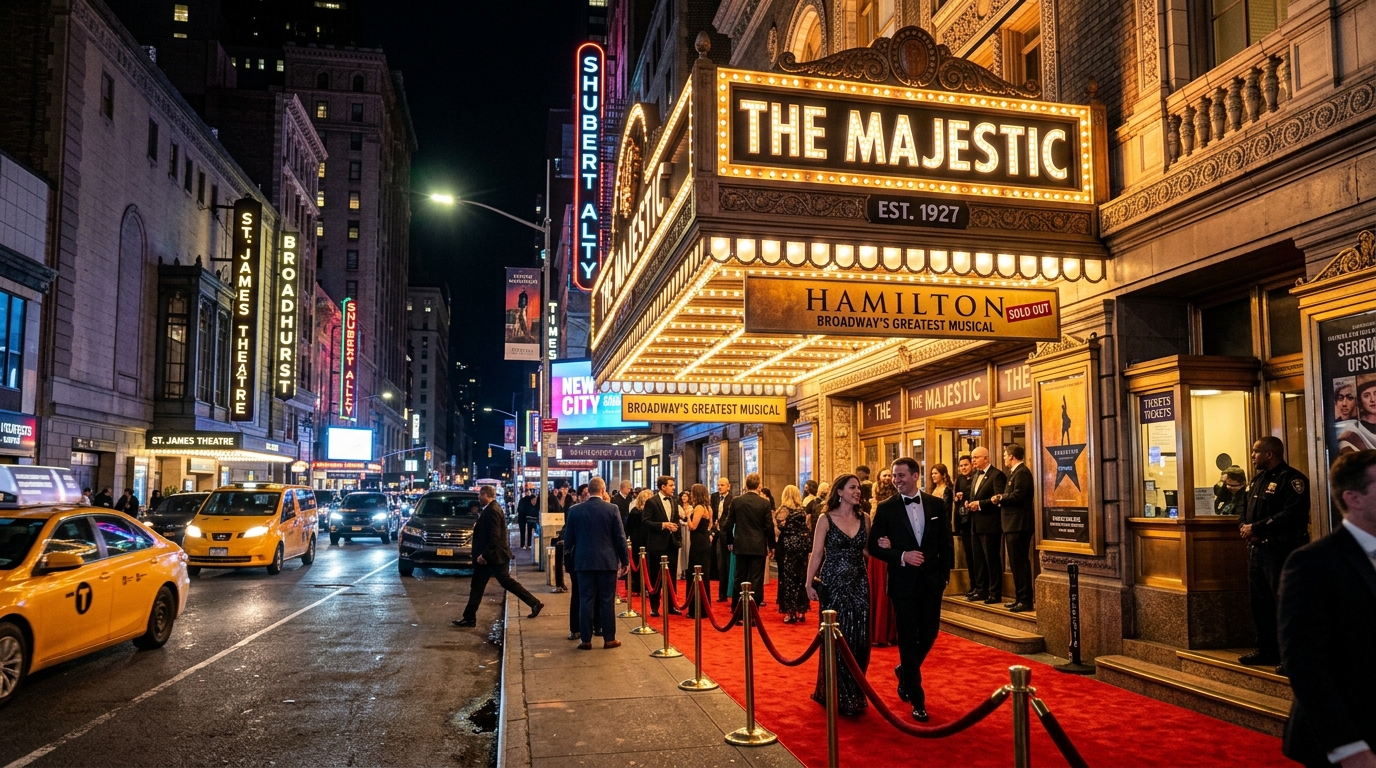
There is no cultural spectacle on the globe quite like Broadway. Clustered around the glowing neon crossroads of Times Square in Midtown Manhattan, forty-one professional Broadway theaters produce the highest caliber of theatrical storytelling, musical drama, and stagecraft in the world. Originally dubbed ‘The Great White Way’ in the late 1890s due to Broadway being one of the very first streets in America to be completely illuminated by electric incandescent marquee lights, this historic theater district generates an electric, palpable energy every evening as curtain call approaches.
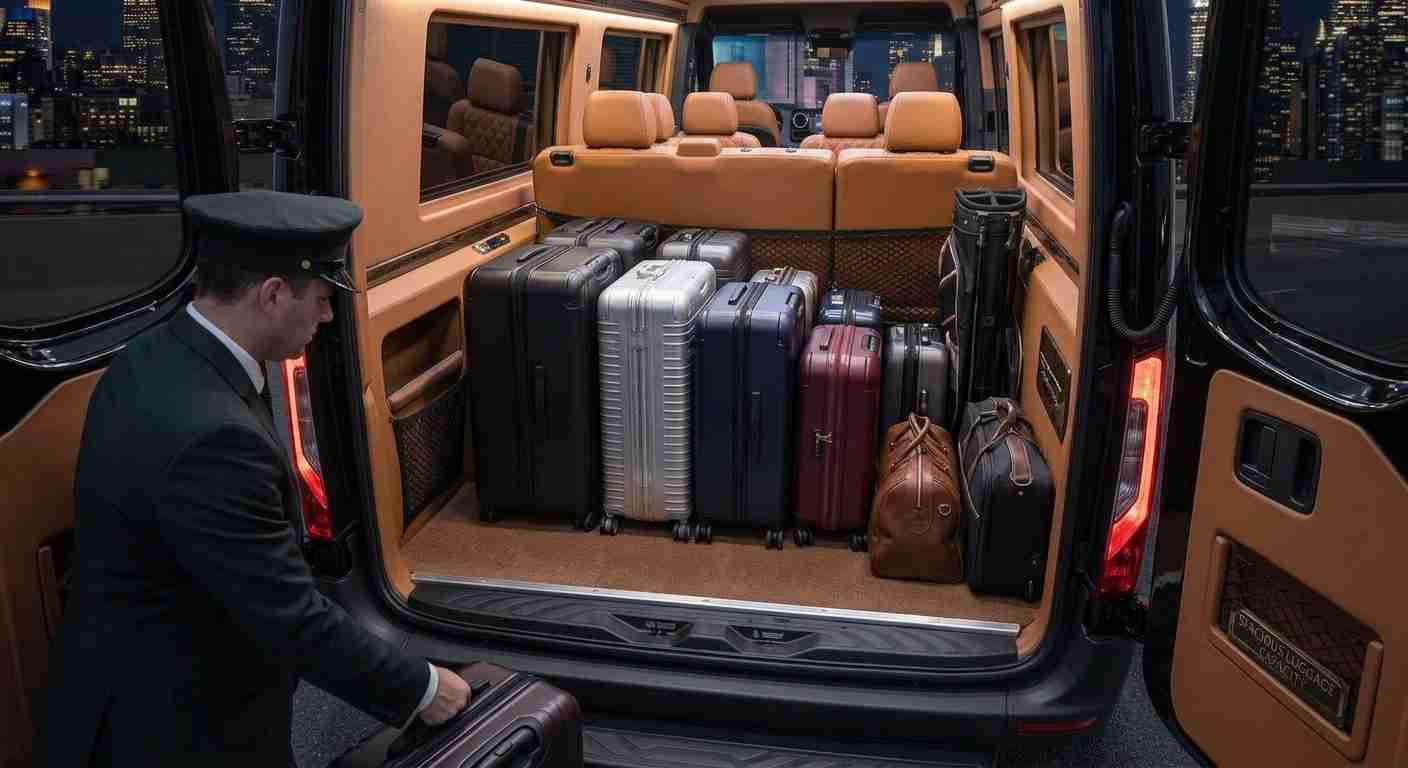
Attending a Broadway production is a cherished tradition for international travelers, theater aficionados, and celebrating families. Yet navigating the Theater District between 6:30 PM and 11:00 PM can be an overwhelming sensory obstacle course. Sidewalks swell with tens of thousands of hurried theatergoers, vehicular traffic on 44th and 45th Streets comes to a standstill, and hailing a taxi during the post-curtain exodus at 10:30 PM is notoriously difficult. Coordinating your evening with a private luxury chauffeur from Tour to NYC Tours eliminates every element of theater-night stress, ensuring you arrive gracefully curbside before dinner and enjoy an instantaneous, climate-controlled pickup the moment the final ovation concludes.
In this comprehensive Broadway master guide, we explore the architectural history of the greatest playhouses, reveal insider strategies for securing VIP house seats, provide curated pre-theater and post-theater dining recommendations, and explain how to curate an unforgettable Broadway evening.
The Anatomy of the Theater District: Historic Venues & Architecture
To qualify as an official ‘Broadway’ theater, a playhouse must have at least 500 seats and be located within the Theater District, spanning from West 40th to West 54th Streets, primarily between Sixth and Eighth Avenues. Many of these historic venues are designated New York City interior and exterior landmarks, constructed between 1900 and 1930 during the golden age of American theater architecture:
1. The New Amsterdam Theatre (214 West 42nd Street)
Opened in 1903 by legendary producers Klaw & Erlanger, the New Amsterdam is the oldest operating Broadway theater on 42nd Street and a monumental masterpiece of the Art Nouveau style. Famous for hosting Florenz Ziegfeld’s legendary Ziegfeld Follies between 1913 and 1927, the theater features exquisite carved relief murals, winding balustrades, and a breathtaking dome ceiling. Fully restored by The Walt Disney Company in 1997, it has served as the long-running flagship home for iconic family spectacles like The Lion King and Aladdin.
2. The Majestic Theatre (245 West 44th Street)
Constructed in 1927 by architect Herbert J. Krapp for the Chanin brothers, the Majestic is an architectural triumph blending Spanish Renaissance and Moorish decorative motifs. Its vast 1,681-seat single-balcony auditorium was specifically engineered with unobstructed sightlines and remarkable acoustic resonance. The Majestic famously served as the continuous home to Andrew Lloyd Webber’s The Phantom of the Opera for an astounding 35 years and 13,981 performances, cementing its place as the longest-running show in Broadway history.
3. The Lyceum Theatre (149 West 45th Street)
Built in 1903 by producer Daniel Frohman, the Lyceum is the oldest continuously operating legitimate theater in New York City and the very first Broadway playhouse to be granted official Landmark status in 1974. Its Beaux-Arts limestone facade features dramatic Corinthian columns and undulating rooflines. Inside, the intimate three-tier auditorium features Tiffany-designed brass fixtures and exquisite classical murals by James Wall Finn.
4. The Richard Rodgers Theatre (226 West 46th Street)
Originally opened in 1925 as the 46th Street Theatre, this venue introduced revolutionary architectural thinking: an auditorium design without box seats, allowing democratized sightlines throughout the house. The Richard Rodgers has earned the distinction of hosting more Tony Award-winning Best Plays and Best Musicals than any other theater in Broadway history, serving as the launching pad for Lin-Manuel Miranda’s cultural phenomenon Hamilton, In the Heights, and classic productions like Guys and Dolls.
| Historic Playhouse | Year Opened | Architectural Style | Legendary Production |
|---|---|---|---|
| New Amsterdam Theatre | 1903 | Art Nouveau | Ziegfeld Follies, The Lion King, Aladdin |
| The Lyceum Theatre | 1903 | Beaux-Arts Classical | Born Yesterday, The Play That Goes Wrong |
| The Majestic Theatre | 1927 | Spanish Renaissance & Moorish | The Phantom of the Opera (35-year run) |
| Richard Rodgers Theatre | 1925 | Neo-Renaissance Democratic | Hamilton, In the Heights, Chicago |
| St. James Theatre | 1927 | Beaux-Arts Cast Stone | Oklahoma!, The Producers, Hello, Dolly! |
Insider Strategies for Securing Premier Broadway Tickets
1. VIP House Seats & Premium Orchestra Seating
For high-demand, sold-out blockbuster productions, standard ticketing channels like Telecharge and SeatGeek often show zero availability months in advance. Premium orchestra seating—traditionally rows E through M in the center orchestra—delivers the optimal sightlines, placing viewers close enough to observe subtle facial expressions and choreography without straining upward at high stage platforms. For true VIP access, working with an elite concierge provides access to producer ‘house seats’ reserved for industry insiders, cast VIPs, and corporate patrons.
2. Navigating TKTS, Rush & Digital Lotteries
For flexible travelers seeking exceptional values, the famous red TKTS Booth beneath the glass staircase in Duffy Square (47th Street and Broadway) offers same-day discount tickets at 20% to 50% off for select performances. Alternatively, digital lotteries (via Lucky Seat, Broadway Direct, and TodayTix) offer daily mobile entries for deeply discounted tickets, though winners are notified only a few hours before showtime.
Pre-Theater and Post-Show Dining: Restaurant Row & Beyond
Curating the perfect dinner before an 8:00 PM curtain requires impeccable timing. Inform your server immediately that you have an 8:00 PM theater curtain; seasoned Midtown restaurants are masters at expediting three-course prix-fixe meals to ensure you exit by 7:35 PM:
- Restaurant Row (West 46th Street between 8th and 9th Avenues): The historic culinary hub of the theater district. Visit legendary institutions like Joe Allen (famous for its ‘flop wall’ displaying posters of notorious Broadway flops and outstanding tavern burgers) and Barbetta (operating since 1906, serving elegant Northern Italian Piedmontese fare in an 1874 townhouse with a romantic outdoor garden).
- Becco (355 West 46th Street): Founded by Lidia Bastianich, Becco is renowned for its unlimited table-side tasting of three daily chef’s pastas served piping hot alongside extensive $35 Italian wine selections.
- Bond 45 (221 West 46th Street): Located directly across from the Richard Rodgers Theatre, Bond 45 features an expansive Italian antipasto bar, prime dry-aged steaks, fresh seafood, and signature chocolate blackout cake.
- Sardi’s (234 West 44th Street): For post-theater cocktails and late-night supper, Sardi’s is an irreplaceable Broadway landmark operating since 1921. Its wood-paneled walls are covered with over a thousand framed caricatures of Broadway legends, and it remains the traditional gathering place where casts celebrate opening-night reviews.
Off-Broadway & Lincoln Center: The Performing Arts Landscape Beyond Times Square
While the forty-one historic theaters of Times Square command the global spotlight, New York’s theatrical brilliance extends into intimate Off-Broadway playhouses and the monumental performing arts complex of Lincoln Center for the Performing Arts:
- Lincoln Center for the Performing Arts (Upper West Side): Spanning sixteen acres between 62nd and 65th Streets, Lincoln Center is the world’s leading performing arts campus. It is home to the Metropolitan Opera House (famed for its monumental Marc Chagall murals and crystal Austrian chandeliers), the David H. Koch Theater (home of the New York City Ballet), and the Vivian Beaumont Theater—the only Broadway-eligible theater located outside the Times Square theater district.
- The Public Theater (East Village): Founded by Joseph Papp in 1954 inside the historic Astor Library building on Lafayette Street, The Public is the visionary laboratory where revolutionary theatrical masterworks—including A Chorus Line, Hair, and Hamilton—were originally developed and premiered.
- Intimate Off-Broadway Playhouses (Greenwich Village & Theater Row): Off-Broadway venues (theaters with 100 to 499 seats) like the Lucille Lortel Theatre on Christopher Street and New World Stages on West 50th Street offer cutting-edge dramas, Pulitzer Prize-winning plays, and intimate musical experiences where audiences sit mere feet from world-class actors.
Stage Door Etiquette & Broadway Superstitions: A Theatergoer’s Lore
Broadway culture is steeped in more than a century of colorful traditions, backstage superstitions, and passionate fan rituals:
- The Stage Door Tradition: After the final bows, theatergoers can proceed to the theater’s exterior stage door (usually located along the adjacent alleyway or side street). Cast members frequently emerge with black Sharpie pens to sign Playbill programs and pose for brief photographs. Always have your Playbill open to the cast biography page, keep your pen ready, and thank the actors warmly for their performance.
- The Ghost Light: When a Broadway theater is closed and dark for the night, a single bare incandescent light bulb on a tall stand is left burning on the center of the empty stage. While practical for safety, Broadway lore holds that the ghost light appeases the resident theatrical ghosts, allowing them to perform on stage in privacy until the company returns.
- The Scottish Play Superstition: Never speak the name ‘Macbeth’ inside a Broadway theater unless actively rehearsing or performing the show. Doing so is believed to invite catastrophic bad luck, missed cues, or injuries. The traditional counter-curse requires the speaker to step outside the theater, spin around three times, spit over their left shoulder, and recite a line from Shakespeare’s The Merchant of Venice or Hamlet.
The Tony Awards & Broadway Opening Night Royalty
To fully grasp the cultural prestige of Broadway, one must appreciate the intense glamour of Broadway opening nights and the annual Antoinette Perry Awards for Excellence in Theatre—universally known as the Tony Awards. Held every June at historic venues like Radio City Music Hall, the United Palace in Washington Heights, or the David H. Koch Theater at Lincoln Center, the Tonys represent the pinnacle of live performance achievement:
- Opening Night Tradition & The Gypsy Robe: On the official opening night of every Broadway musical, a secret backstage ceremony takes place thirty minutes before curtain call. The ‘Gypsy Robe’ (now known as the Legacy Robe)—a vibrant garment embroidered with souvenirs and mementos from every musical of the Broadway season—is awarded to the ensemble cast member (‘gypsy’) with the most Broadway chorus credits. The recipient circles the stage three times counter-clockwise, visiting every dressing room to bless the company with good fortune and theatrical longevity.
- Shubert Alley Lore: The historic pedestrian alleyway connecting West 44th and 45th Streets between Broadway and Eighth Avenue is the symbolic heart of the Theater District. Named after the legendary Shubert brothers who built over thirty Broadway theaters, it remains a traditional gathering point for producers, agents, and playwrights discussing new shows beneath the glowing theatrical posters.
- Historic Piano Bars & Broadway Cabaret: For theater lovers seeking to extend the evening after the final bows, the theater district and nearby Greenwich Village are home to world-renowned piano bars where Broadway cast members and talented pianists lead spontaneous musical singalongs. Visit Marie’s Crisis Cafe on Grove Street in the West Village (a historic subterranean tavern operating since 1850 where crowds sing Stephen Sondheim and Rodgers & Hammerstein en masse) or Don’t Tell Mama on Restaurant Row, featuring singing waitstaff and intimate cabaret showrooms.
The VIP Advantage: Navigating Broadway Traffic with a Chauffeur
The Theater District between 7:00 PM and 11:00 PM features the densest vehicular and pedestrian congestion in North America. Navigating this gridlock with a private luxury vehicle from Tour to NYC transforms your evening:
- Direct Curbside Delivery Before Curtain: Avoid crowded subway platforms in evening attire or walking through rain in high heels. Your chauffeur glides down the designated Broadway side streets, dropping you directly at the theater marquee.
- Standby Chauffeur During the Performance: While you enjoy the performance, your chauffeur stages nearby in designated commercial corridors. There is zero stress about where to find a ride home.
- Seamless Post-Show Extraction: When the theater empties at 10:30 PM and thousands of patrons battle for yellow cabs, your chauffeur receives your text notification, pulls gracefully up to the agreed curbside location, and whisks you away to late-night supper or back to your luxury hotel.
Frequently Asked Questions About Attending Broadway Shows
What is the dress code for a Broadway show?
There is no official enforced dress code for Broadway theaters; you will see attire ranging from smart casual to formal evening wear. For evening performances, smart casual or cocktail attire (blazers, stylish dresses, collared shirts, dark denim) is customary and enhances the sense of occasion.
What happens if you arrive late to a Broadway theater?
Broadway theaters enforce strict late-seating policies. If you arrive after the curtain has risen, you will be held in the lobby and seated only at an appropriate break in the performance designated by the director, which can sometimes mean waiting until intermission.
How early should we arrive at the theater?
We recommend arriving at the theater doors thirty minutes prior to scheduled curtain time. This allows ample time for ticket scanning, bag security checks, purchasing a program or refreshment, and finding your seats comfortably before the overture begins.
Conclusion: Experience the Pinnacle of Live Theater in New York
A night on Broadway is a magical, indelible memory that defines the New York City experience. Ensure every moment of your evening reflects elegance, punctuality, and luxury with Tour to NYC.
Reserve your private theater-night chauffeur transit at Tour to NYC Transportation or contact our theater concierge at Tour to NYC Contact today.